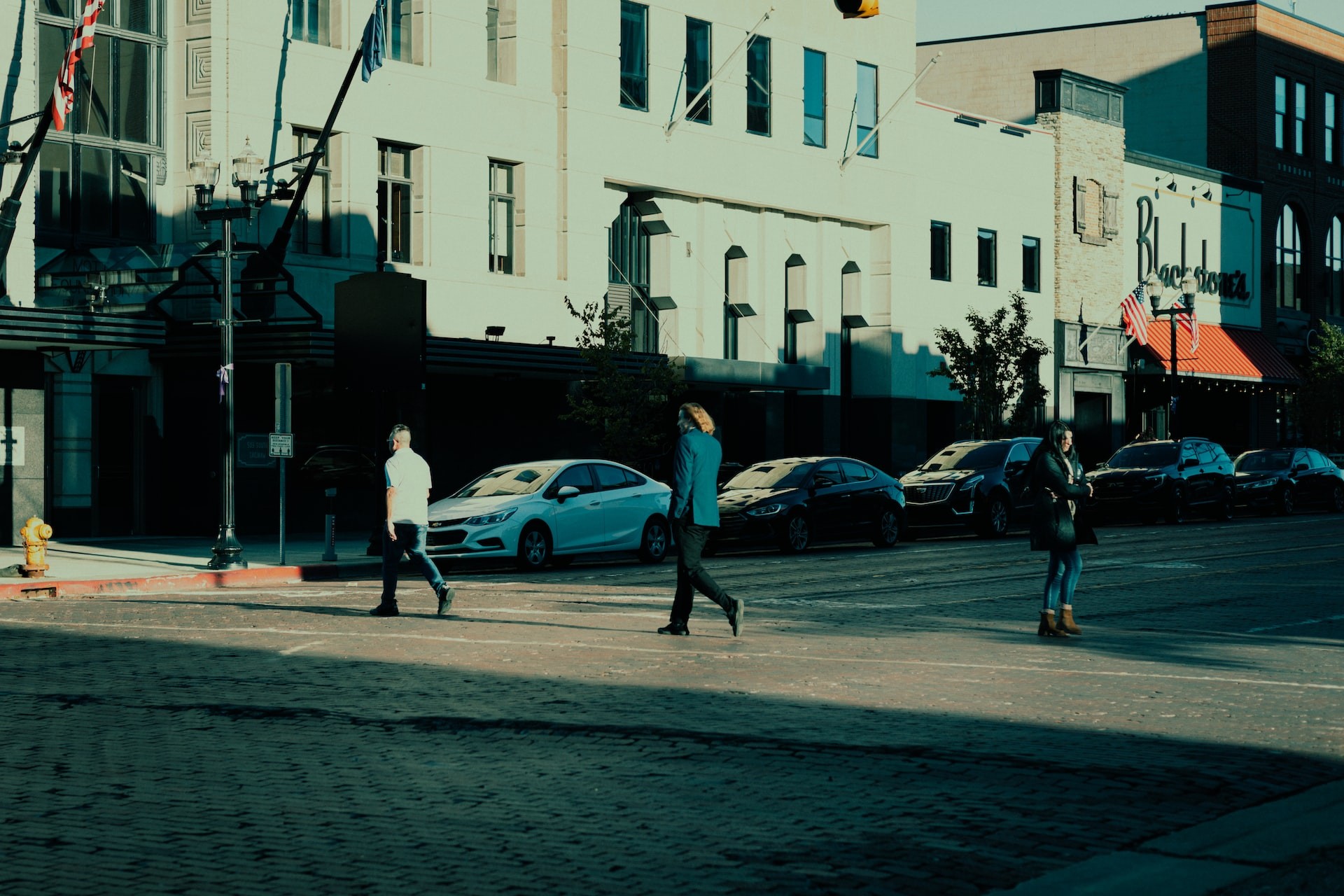
In the late 1800s, Flint was home to a booming carriage-making industry, which some say was the biggest in the world. Flint, as a result, became known as “Vehicle City.” Located along the Flint River, it was founded in 1819. Today, it encompasses 34.1 square miles of flat terrain, and a median age of 36.3 (2022). Healthcare, educational services, social assistance, and manufacturing shape the backbone of its economy.
Home styles in Flint consist of Ranch, Colonial Revival, and Tudor Revival. The typical home value is $47,644, which is up 10.4% over the past year (Zillow, 2022). Annual events that keep residents engaged and entertained include Back to the Bricks, a week-long classic car show, the Flint Jazz Festival, and the Flint Drop Fest, which features live entertainment, art festivals, fairs, and local craft shows.
Getting in and out of Flint is easy, with access to the east-west I-69, north-south I-475, and the north-south I-75. The historic Carriage Town neighborhood, along the Flint River and near I-475, features some of the city’s oldest buildings. East Village, accessed via the I-475 or I-69, is one of Flint’s better known smaller neighborhoods, filled with impressive houses.
Flint citizens have a deep sense of pride. The community works together to make it a better place to live, whether it means joining other neighborhoods to improve accessibility, or helping people in need.